Two Ways to Pour a Glass of Wine (and What Each One Taught Me About the Other)
One tasting room job has me pouring and narrating every glass by hand. The other hands guests a card and steps back. Here's what running both taught me about matching the right style of service — online and off — to the guest in front of you.

I pour the same kinds of wine in two completely different tasting rooms most weeks, and for a while I ran both jobs like one of them was hospitality and the other was just… standing near wine. At the shop, I’m the guy explaining what you’re about to taste. At the bar, I’m the guy who hands you a card and gets out of your way. I assumed the hovering job was the real one. That was wrong, and it took a guest waving me off — mid-explanation — to prove it. Thirty years building systems, and I still needed a stranger with a wine glass to teach me that lesson.
The Manual Pour
At the wine shop, I’m a Winetender. Eight themed flights rotate every month — roughly forty new wines, every month — and my job is to pour each one myself and walk a guest through it before the glass ever reaches their hand. Structure, why the wine is built the way it is, what to notice on the finish. One guest, full attention, no shortcuts.
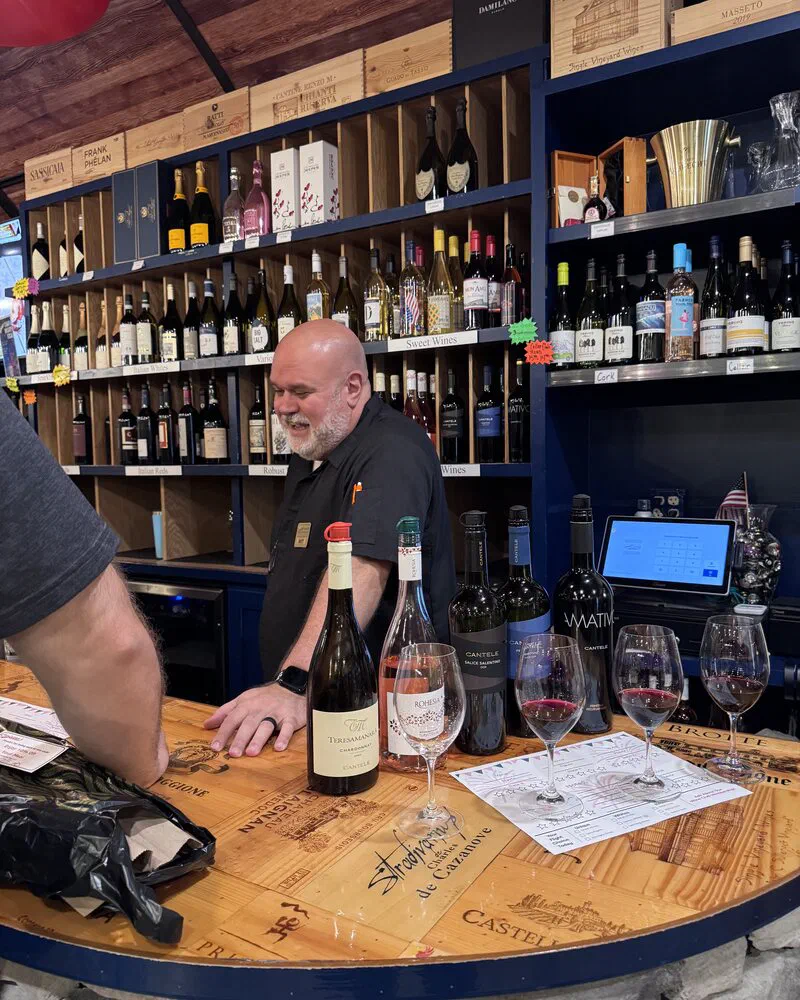
The value there isn’t the wine. It’s the two sentences before the sip. I’ve watched the same wine land completely differently depending on whether someone tasted it cold, or tasted it after I told them what to listen for. A guest who might have said “it’s fine” says “oh, I get it now” once they know what they’re supposed to be noticing. Context changes the experience of the product without changing the product at all.
The Self-Serve Card
At the wine bar, I’m a Floor Operator, and the job is built the opposite way. I hand a guest a tasting card, which loads onto our self-serve Napa Technology wine machines, and mostly get out of the way. The wines live in the machines, not on the card — each pour comes with its own label and notes right there on the dispenser. There’s no narration built into the process — the machines do that work. My job is making sure the system is doing its job well enough that I don’t have to insert myself.
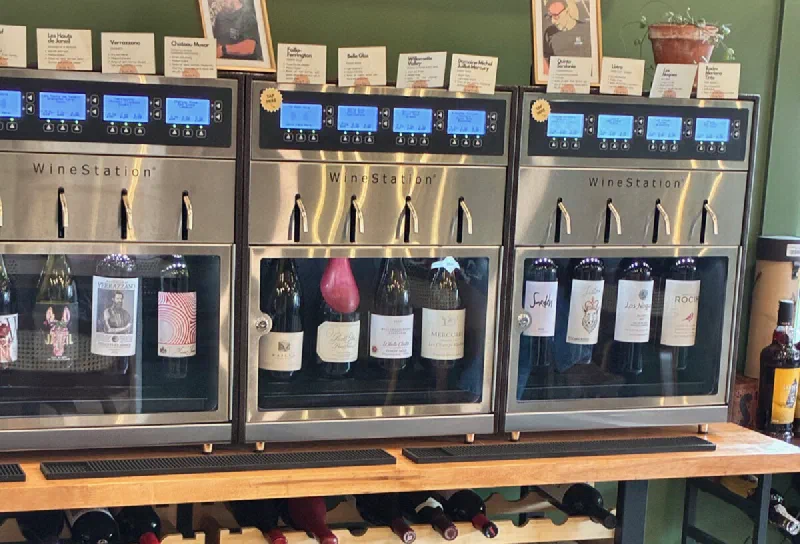
Early on, I treated this like the lesser version of the wine shop job — hospitality with the good part removed. Then I watched a guest wave me off, politely, when I leaned in to explain one of the wines she was pouring. She wasn’t being rude. She just wanted to explore at her own pace, read the notes on the machine herself, and decide what she thought before anyone told her what to think. Hovering wasn’t hospitality in that moment. It was friction.
When the System Fails the Guest
Here’s the part that actually stuck with me: the mistake isn’t picking the wrong style. It’s applying the right style to the wrong guest. You can run a great program and still fail the guest in front of you, just by reading the room wrong.
A guest who wants the self-serve experience doesn’t want a narrator leaning over their shoulder — that reads as pressure, not service. A guest who came in for the manual pour, the story, the explanation, doesn’t want to be handed a card and left alone — that reads as indifference, not efficiency. Both venues get it right most of the time because the format matches the guest’s expectation walking in the door. The failure mode is only visible when you put the wrong mode in front of the wrong guest.
Most tasting rooms don’t have this problem on the floor. They have it in their digital systems, where it’s a lot easier to miss.
That prickly feeling when someone won’t stop talking at you — or the opposite, standing there needing help and nobody’s looking — is the same discomfort a guest feels staring down a confusing signup form or a checkout that wants four extra clicks. Same friction, different room.
The Digital Parallel
A wine club signup should work like the self-serve card: frictionless, self-explanatory, no one hovering over the guest’s shoulder while they decide. If a guest has to talk to three people or navigate four screens to join, that’s the manual-pour experience showing up in a moment that called for self-serve — and it’s a big reason club signups collapse at checkout on a busy Saturday.
A post-visit follow-up should work like the manual pour: personal, specific, timed to the moment. A generic blast three weeks after someone’s first visit is the self-serve card showing up in a moment that called for a real explanation — the digital equivalent of handing someone a tasting card and walking away when what they actually wanted was five seconds of your attention.
Most operators don’t consciously choose which mode a given moment gets. The systems default to whatever’s already in place, everywhere, regardless of what the guest actually needed right then. That’s rarely a hospitality failure. It’s usually a systems failure wearing a hospitality costume.
The Bottom Line
Neither pour is the better one — they’re solving different problems for different guests. At the end of the day, the operators who get this right aren’t picking a side, they’re building systems that can tell the difference, guest to guest, click to click. Most tasting rooms have never actually checked which mode their digital setup defaults to. That’s a five-minute problem to find — and a longer one to fix without help.
Find out exactly where your tasting room’s revenue is leaking — in 5 minutes. Start your free 5-minute Digital Leak Check →
My Pub Marketing builds digital operations for independent wineries, tasting rooms, and craft beverage brands — CRM, email, club management, custom apps, and website strategy. mypubmarketing.com
The Operator Note
One pattern. One quick win. Monthly.
No fluff, no agency-speak. Just what I'm seeing across tasting rooms and what's actually working.
You're in. First issue lands in your inbox soon.
