Is Your Taproom Invisible to ChatGPT? What AI Search Visibility Means for Independent Breweries
A guest asks ChatGPT for a dog-friendly patio nearby. Does the AI recommend you, or does it pull from an outdated review? Here is what AI search visibility (GEO and AEO) means for independent breweries.
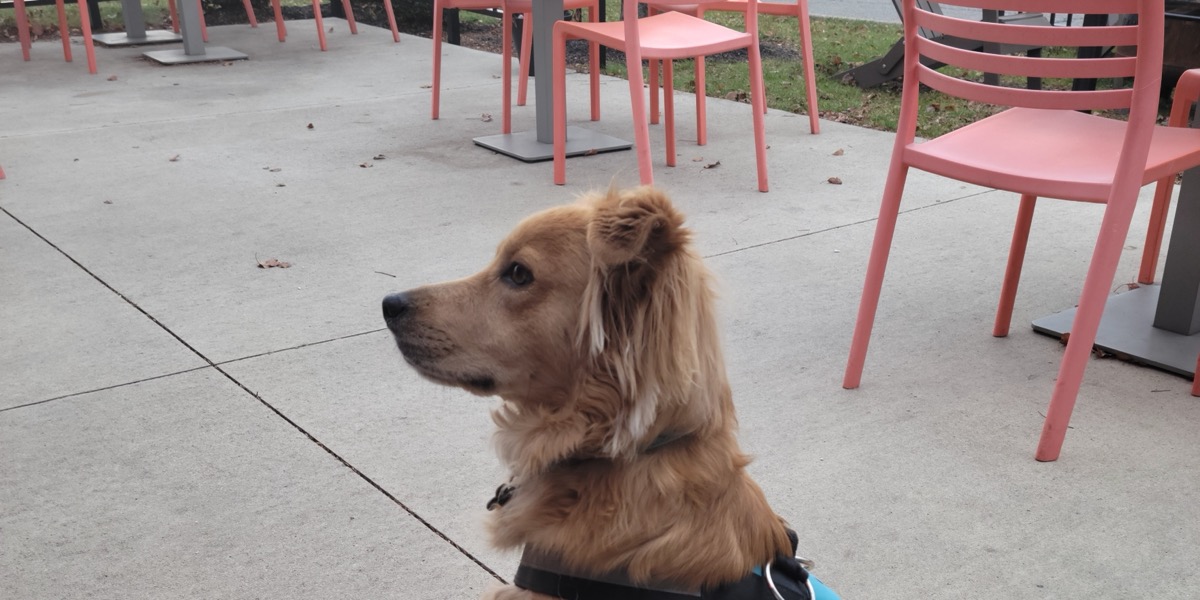
A guest half a mile from your taproom types a question into ChatGPT instead of Google: “Is there a brewery near me with a dog-friendly patio that’s not too loud?” The AI answers immediately, with total confidence — a specific yes or no, sometimes even a recommendation. The problem: there’s a good chance it never once looked at your website to get that answer.
The New Front Door
For years, “SEO” meant showing up in a list of blue links. That’s changing fast. A growing share of local searches — “brewery near me,” “taproom with a mug club,” “is there a wait at [name] tonight” — now get answered directly by an AI tool: ChatGPT, Google’s AI Overviews, Gemini, Perplexity. The guest never clicks through to a website. They get an answer and act on it.
That’s a problem if the answer didn’t come from you.
What GEO and AEO Actually Mean
Two acronyms are showing up in marketing conversations this year, and neither is complicated once the jargon is stripped out.
GEO — Generative Engine Optimization is about being the source an AI model actually pulls from and cites when it answers a question about your business.
AEO — Answer Engine Optimization is about winning the direct-answer spot: the snippet, the voice-assistant response, the one-line answer to a “near me” question.
Both come down to the same thing: does the internet contain clear, specific facts about your taproom, written by you — or does it only contain facts about you that somebody else wrote?
What This Looks Like When It’s Broken
A recent audit of a beverage venue’s site, run alongside every third-party listing that mentions it, turned up a pattern common enough to be worth naming.
The business had no FAQ content anywhere — no page answering “is it kid-friendly,” “do you take reservations,” “is there a wait.” A review-aggregator site had already answered those exact questions, reverse-engineered from customer reviews. That page — not the business’s own site — became the source an AI tool would reasonably pull from.
Same venue, a second problem: its own website listed one ZIP code; a major review site listed another. Small mismatch, but it’s exactly the kind of inconsistency that undermines the trust signals both traditional search and AI crawlers use to confirm a business is real and current.
Neither of these is a technical failure. They’re just facts nobody got around to writing down in one consistent place.
Why This Matters More for Breweries Than You’d Think
Independent breweries already have an unusual advantage most other hospitality categories don’t: a genuinely engaged audience self-reporting activity on apps like Untappd — tagging check-ins, rating beers, leaving notes. That’s real signal. It’s also exactly the kind of scattered, third-party data an AI model might surface instead of your own answer, if you haven’t claimed the narrative anywhere yourself.
The breweries that win this next wave of search won’t be the ones with the biggest tap list. They’ll be the ones who took an hour to write down, in plain language, the answers to the questions guests are already asking an AI assistant instead of a bartender.
The Fix
Three moves, none of them require a developer:
Build a real FAQ. Answer the exact questions guests already ask — mug club signup, growler fills, dog-friendly patio, live music nights, kid-friendly hours, whether the kitchen is run in-house or by an outside food partner. Use your own words. This is the single highest-leverage fix for both GEO and AEO.
Make your facts consistent everywhere. Same name, same address, same hours on your site, Google Business Profile, Untappd, and every directory that lists you. A mismatched ZIP code or an old phone number quietly tells search engines and AI tools your listing can’t be fully trusted. A stale or “permanently closed” profile is the most common version of this problem; see why Ohio wine bars and tasting rooms are invisible on Google.
Give structured data something to grab. Basic schema markup — hours, address, menu — makes it far easier for AI tools to extract accurate facts instead of guessing from whatever text they can find.
The Bottom Line
Nobody built their taproom’s digital presence with AI search in mind, because until recently there was no reason to. That’s changing this year, and right now almost no independent brewery has done anything about it — which means the first ones who do get to define the answer for everyone else’s guests too.
Want a second set of eyes on your stack?
No sales script. We'll talk through your stack, your costs, and whether an audit makes sense.
Book an Intro CallThe Operator Note
One pattern. One quick win. Monthly.
No fluff, no agency-speak. Just what I'm seeing across tasting rooms and what's actually working.
You're in. First issue lands in your inbox soon.
