
Outsourced Digital Operations for Independent Tasting Rooms
Website, CRM, email, payments, and member systems — owned and operated on an ongoing basis by an embedded part-time operator. Built for independent tasting rooms that need the results of a full-time digital hire without the overhead.
The revenue leak this role fixes
You run a tasting room. The wine is good. But the digital side — website, email list, member data, payments — is patched together with spreadsheets and whatever your most tech-comfortable employee can fix between pours.
You can feel the missed revenue in abandoned carts, lapsed members, and email lists that never get used. A full-time digital director is too much overhead, and most agency proposals read like they were written for someone else's business.
That gap — between knowing you need digital help and being able to justify the cost — is exactly where a dedicated digital operations partner fits.
What this model actually is
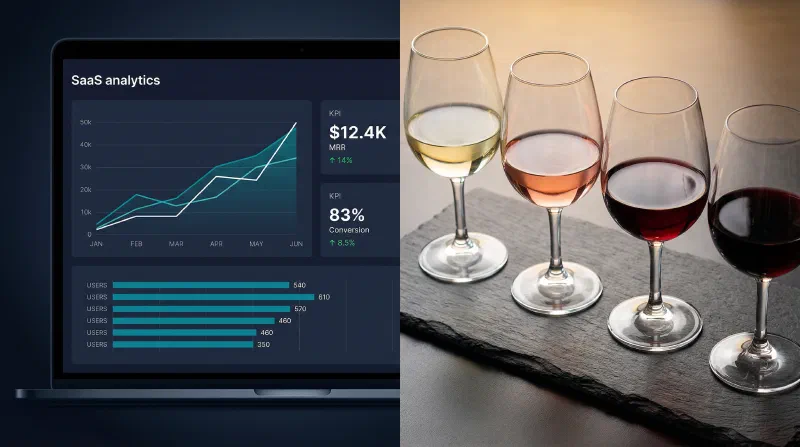
It's outsourced ownership of your digital operation. One person, embedded part-time, who runs your website, CRM, email, payments, and White Label Member Portal — the same way a full-time hire would, without the overhead.
What makes this different from a freelancer or an agency: I'm accountable for outcomes, not deliverables. I'm in your systems week-to-week, not handing off a report and disappearing. The systems keep running because someone is watching them — and that someone is me.
What I actually do, day-to-day
The scope varies by engagement, but the core responsibilities tend to include:
Website operations
Content updates, conversion optimization, seasonal refreshes — managed as a revenue tool, not a brochure. Information guests find online matches what they find at the door.
CRM and member data
Clean member records and targeted lists — so you can message the right guests without a spreadsheet.
Email and SMS automation
Welcome sequences, renewal reminders, winback campaigns, and event announcements — automated follow-up flows that run without anyone remembering to hit send.
Payments and billing
Reliable subscription billing, failed payment recovery, and a checkout experience that doesn't lose customers at the last step.
Analytics and reporting
Monthly reports in plain language, tied to revenue — not vanity metrics. Which campaigns drove signups. Which channels brought traffic. Where people drop off.
Platform and integrations
Connecting your POS, email tool, payment processor, and member portal so data flows cleanly. When systems don't talk to each other, someone has to make them. That's this role.
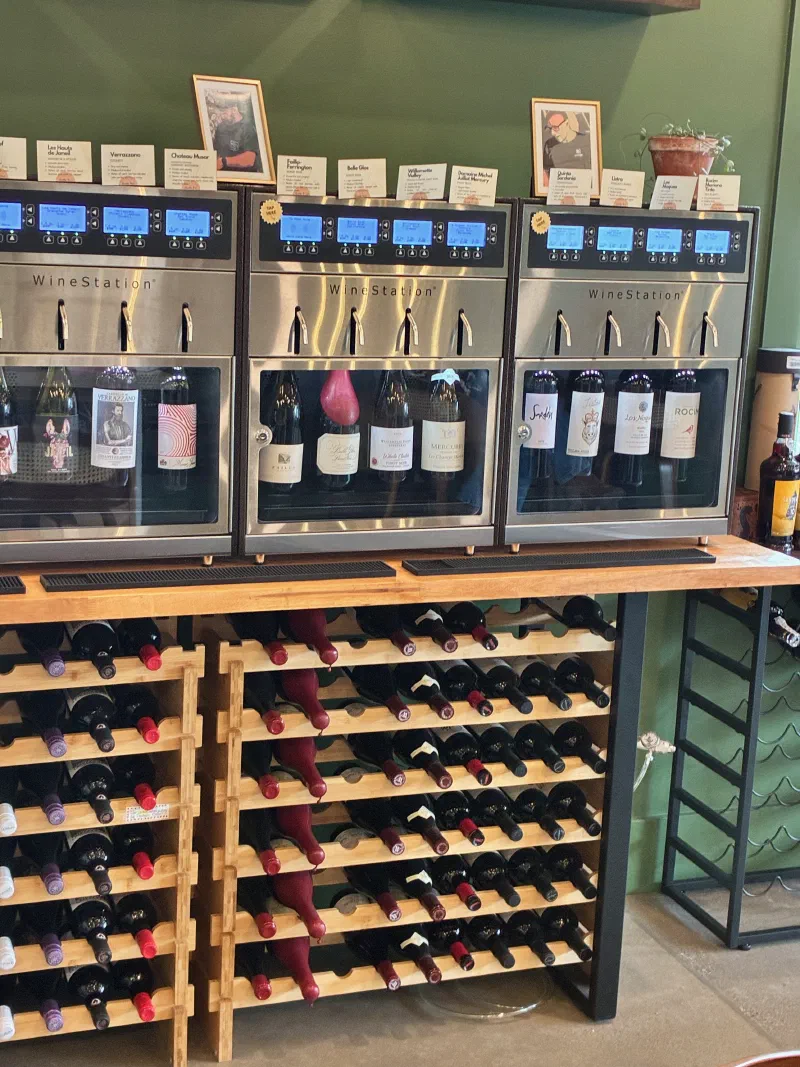
The tasting room environment these systems are built around. The technology needs to work for the counter, not around it.
Strategy
Weekly check-ins. Quarterly roadmap reviews. Ongoing assessment of what to prioritize based on what the data says and what the business needs.
This isn't advisory work — I operate your systems, accountable for outcomes, not deliverables.
Clients usually come to me when:
You don't hire this role because the org chart says so. You hire it when the same digital breakdowns keep costing you time and repeat revenue.
The website technically works, but conversions are flat and nobody owns improvement.
Event pages and seasonal offers keep getting rebuilt from scratch.
Your email list exists, but it is not driving return visits or club renewals.
Social activity is happening, but it is disconnected from what staff can execute on the floor.
Club members are growing, but follow-up is manual and inconsistent.
Signs your digital systems need dedicated ownership
A few patterns that tend to surface:
None of these problems are hard to solve individually. The challenge is that they're all connected — solving them requires someone who sees the whole system.
Digital operations partner vs. full-time hire vs. agency
These three options each have real tradeoffs.
| Full-Time Hire | Marketing Agency | Digital Operations Partner | |
|---|---|---|---|
| Cost | $90K–$140K+ fully loaded | 12-month retainers, per-project fees | Fraction of full-time cost, month-to-month |
| Hospitality expertise | Depends on the hire | Rarely — same playbook for every industry | Built-in — works across hospitality clients |
| Ownership | Dedicated, but knowledge leaves when they do | Delivers projects and reports, not outcomes | Embedded operator accountable for results |
| Access | 40 hrs/week | Submit a ticket, talk to an account manager | Direct access, defined weekly cadence |
| Flexibility | Salary commitment, management overhead | Locked into contract terms | Scale up or down, no long-term contract |
Full-Time Hire
- Cost
- $90K–$140K+ fully loaded
- Hospitality expertise
- Depends on the hire
- Ownership
- Dedicated, but knowledge leaves when they do
- Access
- 40 hrs/week
- Flexibility
- Salary commitment, management overhead
Marketing Agency
- Cost
- 12-month retainers, per-project fees
- Hospitality expertise
- Rarely — same playbook for every industry
- Ownership
- Delivers projects and reports, not outcomes
- Access
- Submit a ticket, talk to an account manager
- Flexibility
- Locked into contract terms
Digital Operations Partner
- Cost
- Fraction of full-time cost, month-to-month
- Hospitality expertise
- Built-in — works across hospitality clients
- Ownership
- Embedded operator accountable for results
- Access
- Direct access, defined weekly cadence
- Flexibility
- Scale up or down, no long-term contract
The tradeoff is time. A digital operations partner isn't in your business forty hours a week — enough to own the systems and move the needle, not enough to sit in every staff meeting. For most independent operators, that's the right balance.
How an engagement typically works
DTC audit
A fixed-scope review of your website, email, CRM, payments, and member data. You get a written report with specific findings and a prioritized 90-day roadmap — before either side commits to an ongoing relationship.
90-day pilot
Execution against the roadmap. Quick wins first — fixing broken email flows, cleaning up member data, closing checkout gaps — then building toward systems that generate recurring value. Clear KPIs from day one.
Ongoing retainer
Month-to-month execution. Weekly tactical check-ins. Monthly reporting. Quarterly strategy reviews. You stay because the work is producing measurable results, not because of a contract.
The model is designed to be low-risk. The audit phase lets you evaluate the fit before committing. The retainer is month-to-month because the work should speak for itself.
“Love the detail - THANKYOU for taking the time to run an analysis! You’re never allowed to leave!”
Jennifer Kuo, Owner, Uncorked Wine Tastings
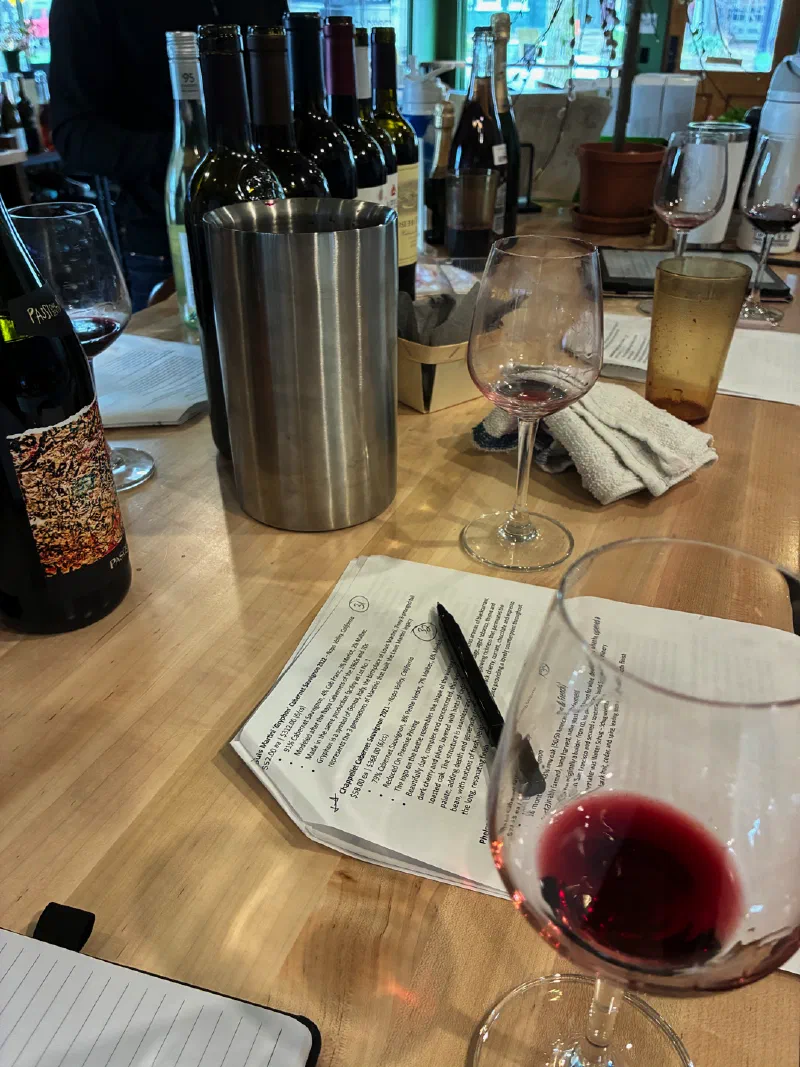
The counter reality: paper notes, pens, wine glasses. Digital systems need to support this environment — not compete with it.
Why this matters for hospitality specifically
Most digital marketing advice is written for e-commerce or B2B SaaS. It assumes a marketing team, a dev team, and a quarterly budget for experiments. That's not how a tasting room works.
An operator who works in hospitality builds systems that support the experience rather than competing with it. The best technology in a tasting room is invisible — it just works, and the staff has what they need at the counter without fumbling through a spreadsheet. That context separates this from a generic digital consultant running the same playbook for every industry.
Frequently asked questions
How many hours per week does this engagement involve?
Is this the same as hiring a CMO?
Do I need to already have a wine club or membership program?
What tools and platforms do you work with?
How is this different from hiring a freelancer?
What does the first month look like?
Start with the checkup
Get a fast diagnostic first. You will know where your digital operation is leaking revenue before we talk scope.
Start Your 5-Minute Leak CheckWant to talk it through?
If you already know the issues, reach out and I'll walk through your stack and priorities with you.
Book a Discovery CallMy Pub Marketing provides outsourced digital operations for independent tasting rooms, wine bars, and distilleries.
