
The Summer Slowdown Nobody's Tracking: Why Tasting Rooms Lose Repeat Guests at Their Busiest Time of Year
July looks like the busiest month on a tasting room's calendar, but it's often when you quietly lose repeat guests. Here is why and how automated follow-up fixes it.

July looks like the best month on a tasting room’s calendar. Parking lots are full, the patio is booked, and pour staff are moving nonstop. By every visible measure, summer is the season working in your favor.
It’s also, quietly, the season where a lot of tasting rooms lose their most loyal guests — and almost nobody notices until the fall numbers come in soft too.
The Paradox: Busy on the Floor, Quiet on the List
Here’s the pattern across independent tasting rooms in different regions: total visits hold steady or even climb in summer, driven by new faces — tourists, one-time visitors, people passing through for a weekend trip. Meanwhile, the guests who’d normally be back every three or four weeks start skipping a cycle. Then two.
Because the top-line traffic number looks fine, nobody flags it. The dashboard says summer is good. The wine club renewal report three months later says otherwise. (We wrote about how this same pattern of quiet guest drift impacts retention in Reducing Wine Club Churn: What Actually Works for Small Tasting Rooms).
Why It Happens: Your Guests Have More Competing for Their Weekend
The rest of the year, a return visit to your tasting room is a fairly easy choice for a regular guest. In summer, that same guest is negotiating a calendar full of competing claims: a lake house rental, a wedding circuit, a county fair, a kid’s travel league schedule, a family vacation. None of that is about you — it’s just a crowded field for the same open Saturday.
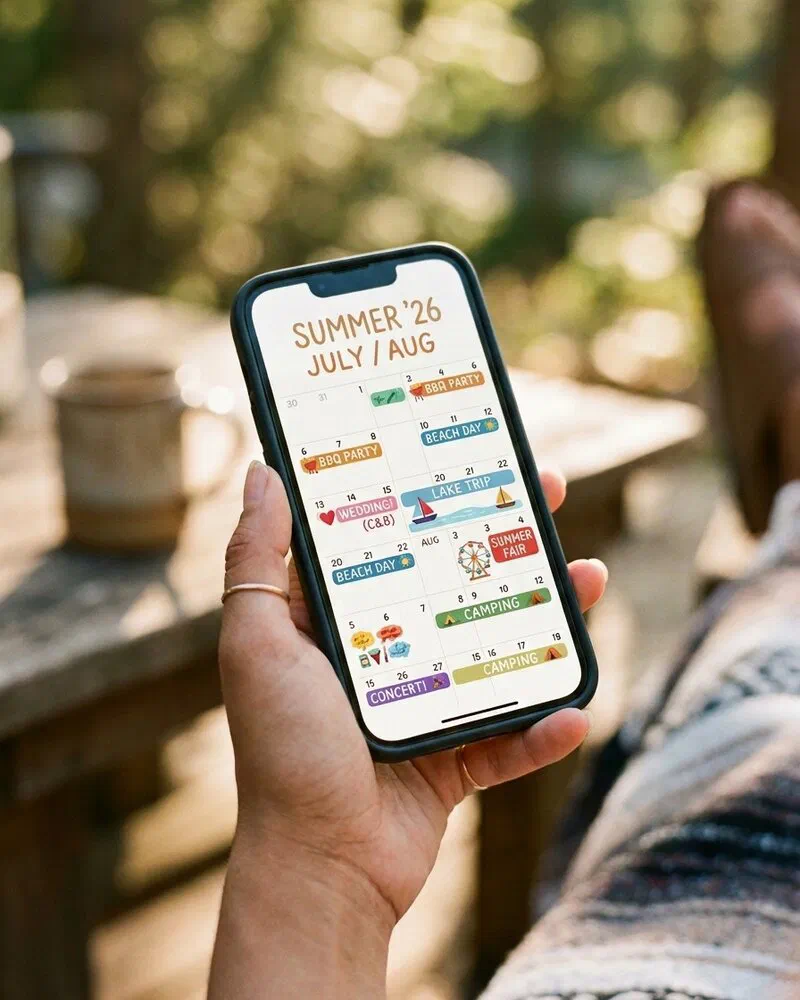
In that competition, whoever reminds the guest first tends to win the weekend. Most tasting rooms don’t ask at all. There’s no message landing in a regular’s inbox in the days before a free Saturday, nudging them to choose your patio over the alternative. So the visit that would have happened quietly turns into a visit that never happens.
What the Data Doesn’t Show You
Most tasting room reporting is built around total visits, total revenue, maybe an average order value. Very few operators are tracking repeat visit rate specifically — the percentage of guests who came back within a defined window. That’s the number that actually reveals a summer slowdown, and it’s rarely on anyone’s dashboard.
Without that visibility, a softening repeat rate hides behind a healthy traffic number until club renewals or fall bookings come in lower than expected. By then, the guests who drifted in July are three months into forgetting you.
The Fix: Use the Quiet Weeks to Do the Work That Compounds
The instinct is to respond to a slow season with a bigger promotion — a discount, a flashy event, more ad spend chasing new faces. That’s treating the symptom. The actual fix is making sure the guests who already know you hear from you before the lake house does.
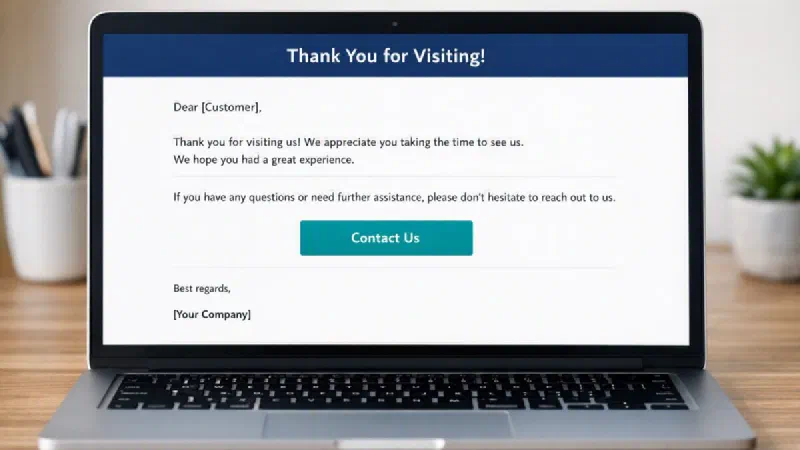
This is exactly the situation an automated post-visit follow-up is built for. It doesn’t take a summer off. It doesn’t require someone on staff to remember which guest is due for a nudge. It just fires — on schedule, every time — regardless of how busy or quiet the room feels that week.
At Uncorked Wine Tastings, implementing automated guest follow-up flows lifted repeat visits by 15%. That lift didn’t come from a seasonal campaign. It came from a system that keeps working in the background, including during the exact stretch when a guest’s attention is hardest to hold.
What To Do This Month
Three things worth checking before summer is over:
1. Confirm your post-visit follow-up is actually firing
Not assumed — confirmed. Pull up the last 10 guest emails or first-visit records and check whether a follow-up message actually went out, and when.
2. Time the nudge before the weekend fills up
A short, personal-feeling message 5-7 days ahead of a likely return window beats a generic blast sent the morning of. Guests plan summer weekends further in advance than the rest of the year.
3. Use the lull to fix what’s broken, not just push harder
A quiet week is the cheapest time to find and repair a broken follow-up flow — before the fall traffic arrives and the same gap costs you guests you can’t easily win back.
The Bottom Line
Summer traffic can look healthy while your repeat guest rate quietly slips — and the two numbers rarely show up on the same report. The tasting rooms that come out of summer strong aren’t the ones running the biggest promotion. They’re the ones whose guests hear from them before anything else claims the weekend.
Find out exactly where your tasting room’s summer follow-up is leaking — in 5 minutes. Start your free Digital Leak Check
The Operator Note
One pattern. One quick win. Monthly.
No fluff, no agency-speak. Just what I'm seeing across tasting rooms and what's actually working.
You're in. First issue lands in your inbox soon.
